Lease, Buy or Rent? How to Pay for a Capture Hardware Fleet
Compare the commitment, the cash timing and the contract.

A capture fleet creates two decisions at once: which equipment will do the job, and how the business will pay for access to it. The first can be settled by a pilot. The second needs a view of cash, contract terms and what happens if the programme changes.
Buying, leasing and renting can each make sense. Their labels do not tell you which is cheapest or most flexible. The answer lives in the actual agreement and in how long, how often and where the equipment will be used.
Start with the work, then compare the offers
Write down the expected deployment period, minimum kit count and likely demand beyond the first project. Separate committed work from hoped-for follow-on contracts.
Then compare offers for equivalent equipment and support. A monthly price that includes maintenance is not directly comparable with one that leaves every repair to you. Neither is a rental quote for a small pilot directly comparable with a fleet purchase intended for several years of use.
Use one planning horizon and include the cost of getting the kits ready, moving them between sites and returning or disposing of them. Record when the cash leaves, not just the total.
Buying gives you an asset to manage
An outright purchase gives the business ownership, subject to the purchase terms. It can suit repeat work where the same hardware remains useful and the team can support it.
Ownership also leaves you responsible for maintenance, storage, loss and the risk that future projects need a different setup. Resale value is an assumption to test, especially for unusual rigs with a small pool of potential buyers.
A purchase funded by a loan changes the timing of cash payments. It also creates repayment obligations. Ask about security interests, guarantees and restrictions on equipment use or disposal rather than assuming financed ownership works like an unrestricted cash purchase.
A lease needs a careful reading
A lease provides access under agreed terms. What happens during and after that term depends on the contract. Maintenance, insurance, upgrades, end-of-term purchase options and return obligations may be included, excluded or priced separately.
Ask what you owe if a project ends early. Check whether the equipment can move between sites or countries and whether the intended modifications are allowed. A mount change that feels minor to an operations team can still need the owner’s approval.
Leasing may reduce the initial cash requirement compared with an outright purchase, but that does not establish the lowest total cost. Put the complete payment schedule and any end-of-term amount into the comparison.
Rental can suit a defined period
Rental can be useful when you need to test a setup, cover a short deployment or add temporary capacity. It can also help you avoid holding equipment after uncertain work ends.
Check availability for the exact dates and configuration you need. Confirm minimum terms, deposits, cancellation charges, return deadlines, damage assessments and replacement arrangements. “Rental” does not automatically mean you can stop paying whenever the buyer pauses a project.
If the deployment extends, model the extension before it happens. A convenient pilot arrangement may have different economics over a longer period.
Compare the terms that change the decision
For every offer, capture the same questions:
- What is the upfront cash requirement, including deposits and setup?
- What are the scheduled payments, fees and final amounts?
- Who pays for maintenance, insurance, damage and loss?
- What happens if equipment fails or the supplier cannot replace it?
- Can you move, modify, sublease or return the kits?
- What remains payable if the customer contract stops early?
Keep hardware costs separate from working capital for wages, sites, data transfer and quality checks. Access to cameras does not pay the people operating them.
Stress-test the payment calendar
Imagine a buyer accepting fewer hours than expected or paying later than planned. Can the business still meet its equipment commitments and operating costs? Repeat the exercise for a delayed launch and an early stop.
The purpose is not to predict the future perfectly. It is to see whether the business has room for a plausible setback before it signs an obligation that is difficult to unwind.
For a U.S.-specific financing reference, the SBA’s 7(a) programme lists equipment and working capital among eligible uses, subject to programme and lender requirements. It is not a promise that a particular operator qualifies, and it does not apply globally. Ask providers in your jurisdiction for the actual terms available to your business.
Choose the commitment you can support
The right arrangement should fit the expected work and remain manageable if that work changes. Get accounting and tax treatment checked locally before treating an assumed deduction or balance-sheet outcome as a reason to choose one option.
Guardian provides egocentric data gathering and annotation. Defining the tasks, signals and delivery requirements first helps you decide what equipment access the programme needs—and what financial commitment is proportionate to it.
Related posts
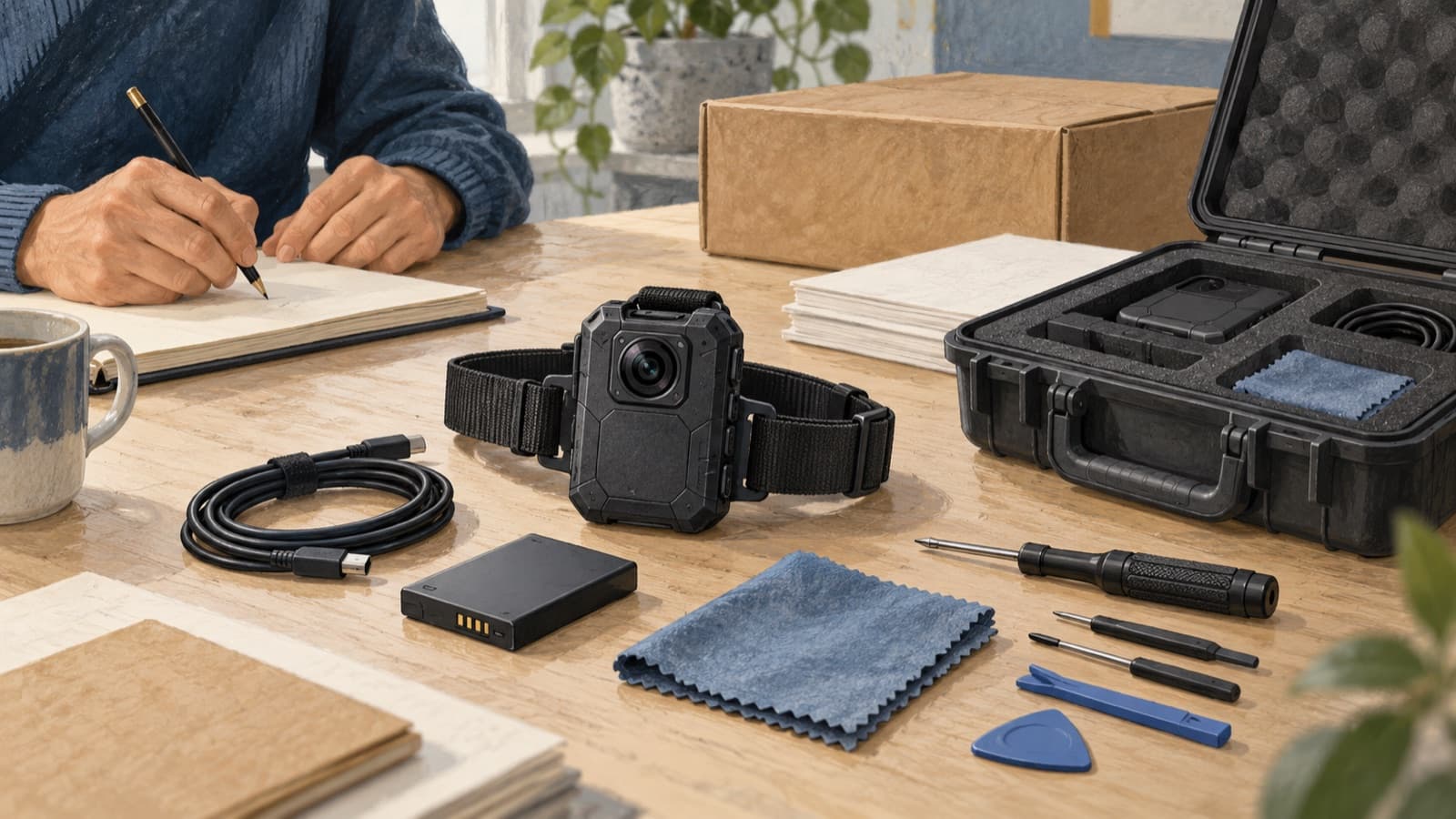
Total Cost of Ownership for Recording Devices: Beyond the Sticker Price
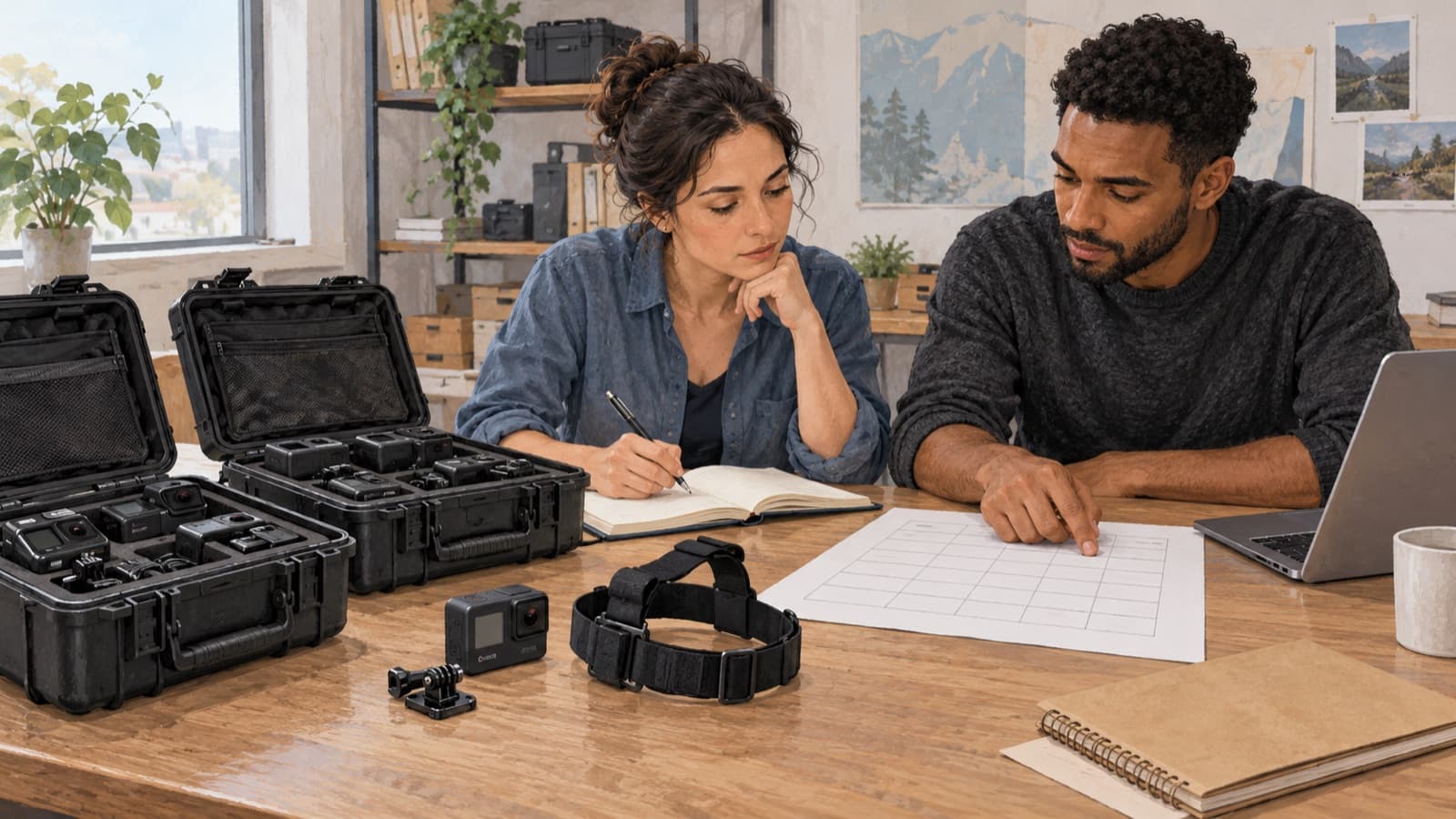
Equipment Financing for Data Collection Operators: Take Bigger Contracts Without Draining Cash

Preparing an Equipment Financing Application for Capture Hardware