Equipment Financing for Data Collection Operators: Take Bigger Contracts Without Draining Cash
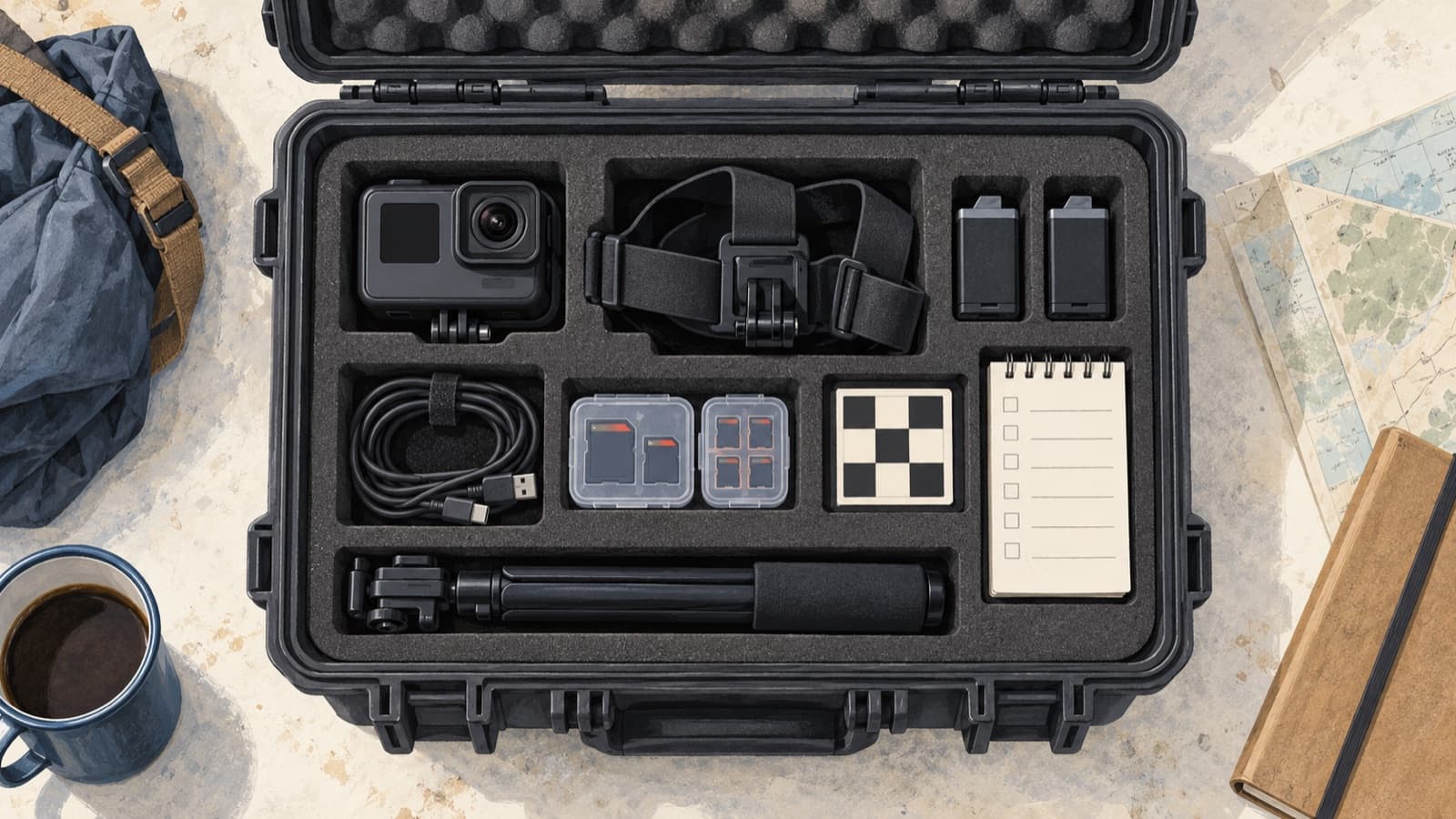
A larger programme needs a cash plan as well as more rigs.
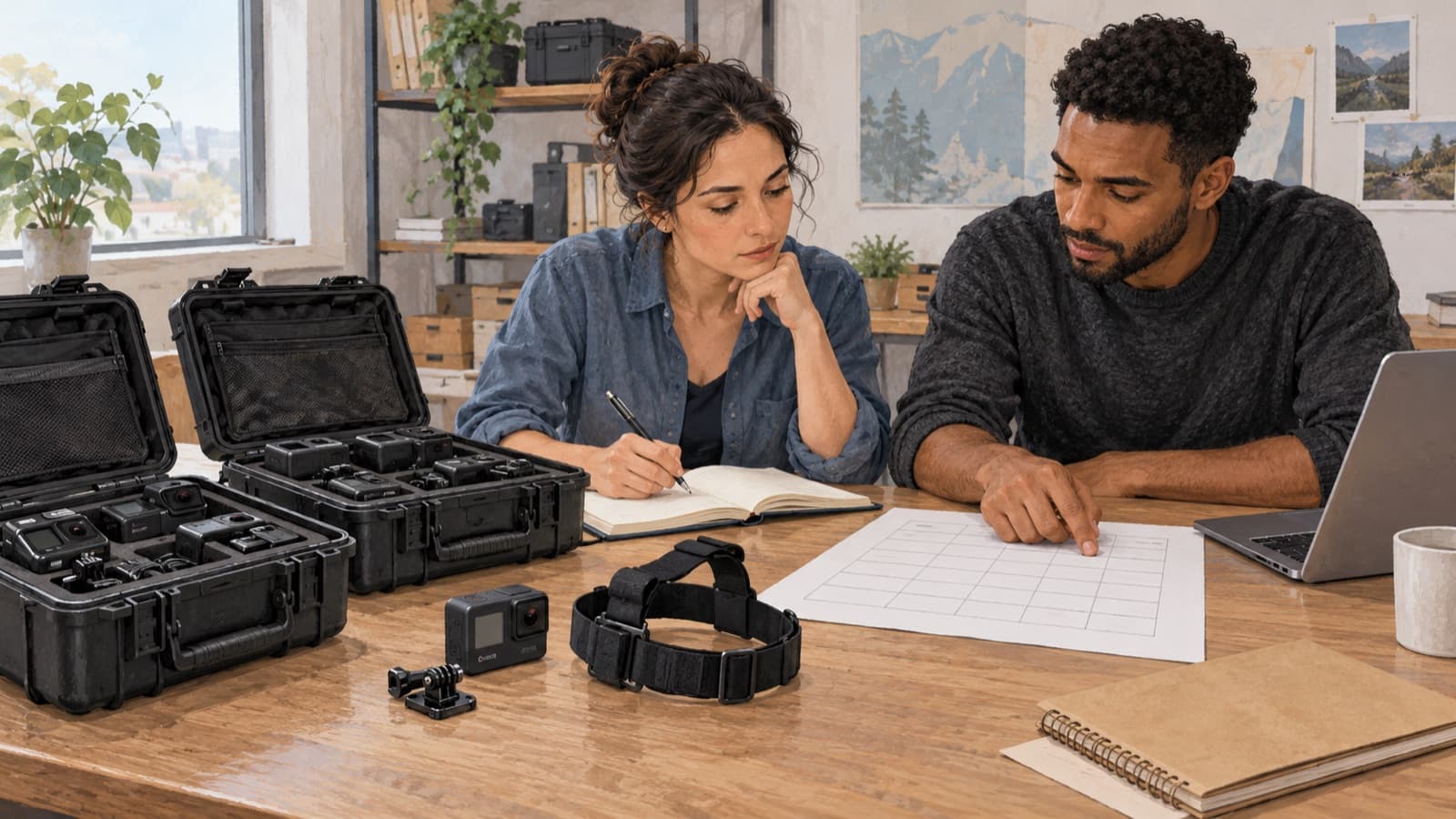
A pilot goes well. The buyer wants a larger collection programme, and the operator has people ready to work. The missing piece is a fleet of recording kits that must be paid for before the first production invoice clears.
Equipment financing can help bridge that timing gap. It can also leave the business making payments after a delayed or cancelled project. Before treating finance as the route to a larger contract, separate three questions: is the work profitable, is the equipment suitable, and can the business carry the cash-flow risk?
Separate equipment from working capital
The rigs are only one part of the cash requirement. Operators, site costs, onboarding, transfers, annotation and quality checks may all need funding before a buyer pays.
Build a deployment budget that shows those costs separately. An equipment facility may have restrictions on how its proceeds can be used. Ask the provider which items qualify rather than assuming every expense in the kit rollout is covered.
In the U.S., the SBA’s 7(a) loan information identifies both equipment and working capital as possible uses within its programme. That is a programme-specific example, not a statement about every loan or every country. The offer available to an individual business depends on eligibility and lender assessment.
Model the contract in cash, not just revenue
Start with the customer agreement. Identify when you may invoice, what must be accepted first, when payment becomes due and which events let the buyer reduce or stop the work.
A forecast based on recorded hours can look healthy while cash remains tight if only accepted hours are billable. Rework, review delays and rejected sessions can change both the amount and timing of receipts.
Put the equipment payments and operating outflows on the same weekly or monthly calendar. Show the lowest projected cash balance, including the period before production reaches its expected pace. That is the part of the forecast a single revenue total can hide.
Test the larger contract before buying for it
Suppose an operator is considering forty additional kits for a six-month programme. Those numbers describe a planning example, not a recommended fleet size or financing term.
The operator should first validate how much accepted output each deployed kit can support under the proposed conditions. Allow for setup, battery changes, transfers, site availability and checks. A kit does not produce billable hours just because it has been delivered.
If possible, stage the expansion around agreed milestones. That may mean approving an initial batch, reviewing acceptance results and then releasing further orders. Check that procurement and financing terms support that plan; neither staged availability nor staged funding should be assumed.
Look beyond the quoted payment
A manageable monthly amount is useful, but it is not the whole obligation. Ask for the total payment schedule, fees, interest basis, final amounts and early repayment or termination terms.
Also establish who owns the equipment and what rights the provider has over it. Restrictions may affect moving it to a different site, modifying a rig, selling it or using it on another contract. Resolve those questions before promising the buyer a deployment plan.
If a personal guarantee is requested, understand the exposure it creates for the individual signing. Do not treat it as a routine administrative step. Get the proposed obligation reviewed before committing.
Run three setbacks through the forecast
Use scenarios that resemble your business rather than a generic safety margin:
- The launch moves, but some equipment payments and staffing costs have already started.
- The buyer accepts less output while the team fixes a recurring quality issue.
- The programme stops early, leaving equipment commitments and a smaller pool of work to support them.
For each case, identify the funding gap and a credible response. Could you reduce the next equipment batch, redeploy owned kits or rely on a committed reserve? Distinguish arrangements already available from options someone still needs to negotiate.
Make the decision operationally credible
A lender or lessor will assess the business under its own criteria. Your internal decision needs another layer: whether the team can deliver what the forecast assumes.
Keep the pilot acceptance results, kit configuration, rollout plan and support responsibilities together. Include the cost of keeping equipment working and the process for tracing recordings to the devices used. If the model depends on consistently accepted output, give the operations team a practical way to measure it.
There are times when a smaller contract, a slower rollout or a different equipment arrangement is the better choice. Financing can change payment timing; it cannot make weak unit economics or an unsuitable capture setup disappear.
Grow at a pace the cash can carry
The useful question is not simply whether finance is available. It is whether the resulting commitments remain affordable through the collection, acceptance and payment cycle, including realistic setbacks.
Guardian gathers and annotates egocentric data. Clear task briefs, agreed quality checks and a measured pilot give teams firmer operating assumptions before they commit to a larger programme.
Related posts

Lease, Buy or Rent? How to Pay for a Capture Hardware Fleet

Preparing an Equipment Financing Application for Capture Hardware
Total Cost of Ownership for Recording Devices: Beyond the Sticker Price