Total Cost of Ownership for Recording Devices: Beyond the Sticker Price
Build a budget around accepted output and real operating work.
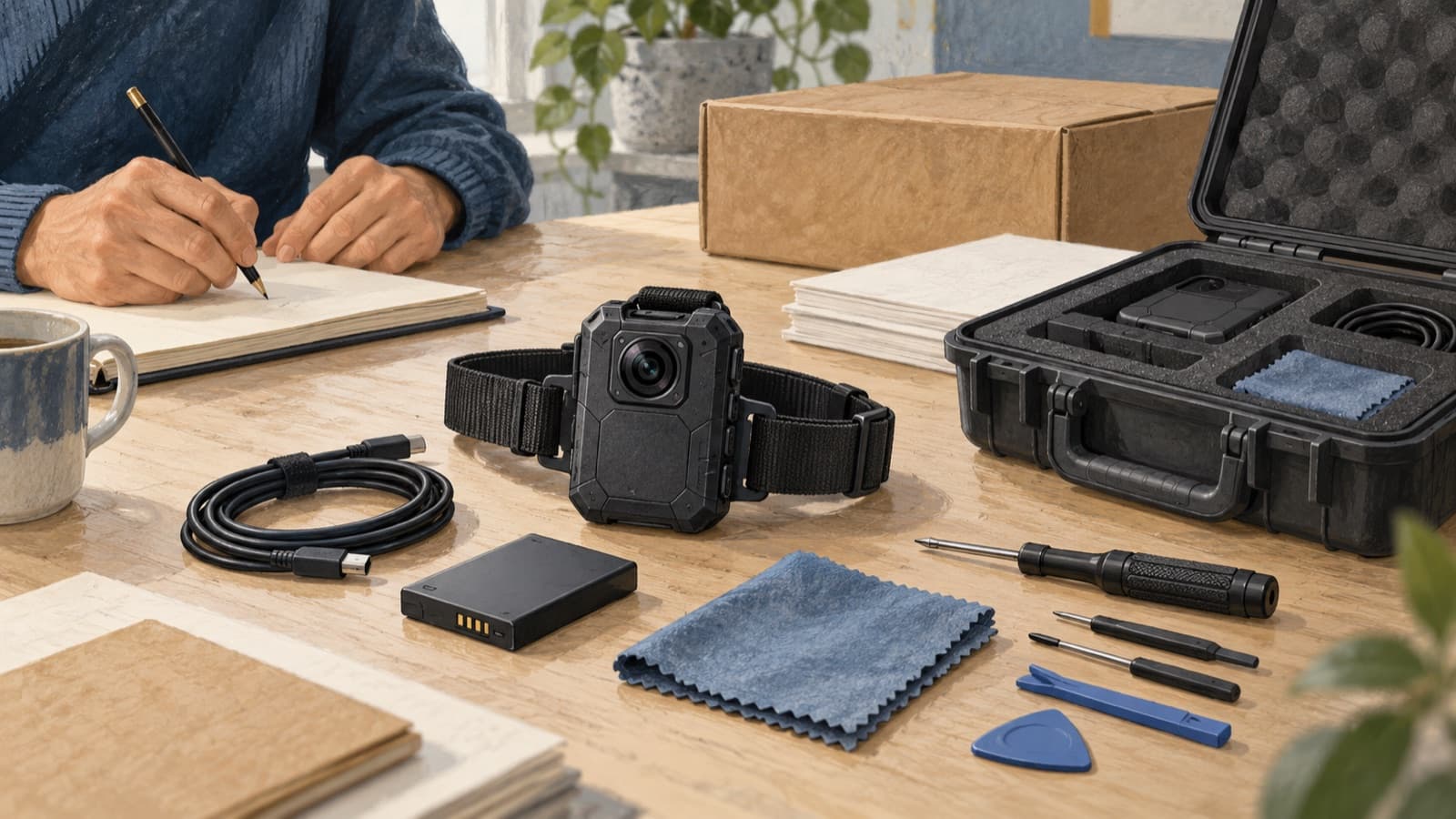
The quote says each recording device costs $400. Twenty devices therefore cost $8,000. That calculation is correct, but it is not yet a fleet budget.
You still need to get the equipment ready, keep it working and turn its recordings into accepted data. A slightly cheaper device can be a poor bargain if it demands constant attention or produces more rejected sessions. A more expensive device can also be unnecessary if its extra features do not help the project.
Total cost of ownership gives you a way to compare those possibilities over the same period, using the same definition of a useful result.
Set the boundary before doing the arithmetic
Choose a planning horizon and a scope. Are you comparing hardware ownership alone, the full capture operation or the cost of delivered, annotated data? Each is a valid question, but the totals mean different things.
For a hardware lifecycle estimate, include acquisition, deployment, operation, maintenance, downtime and end-of-life costs, then subtract a supportable residual value. Label assumptions and avoid counting the same expense twice.
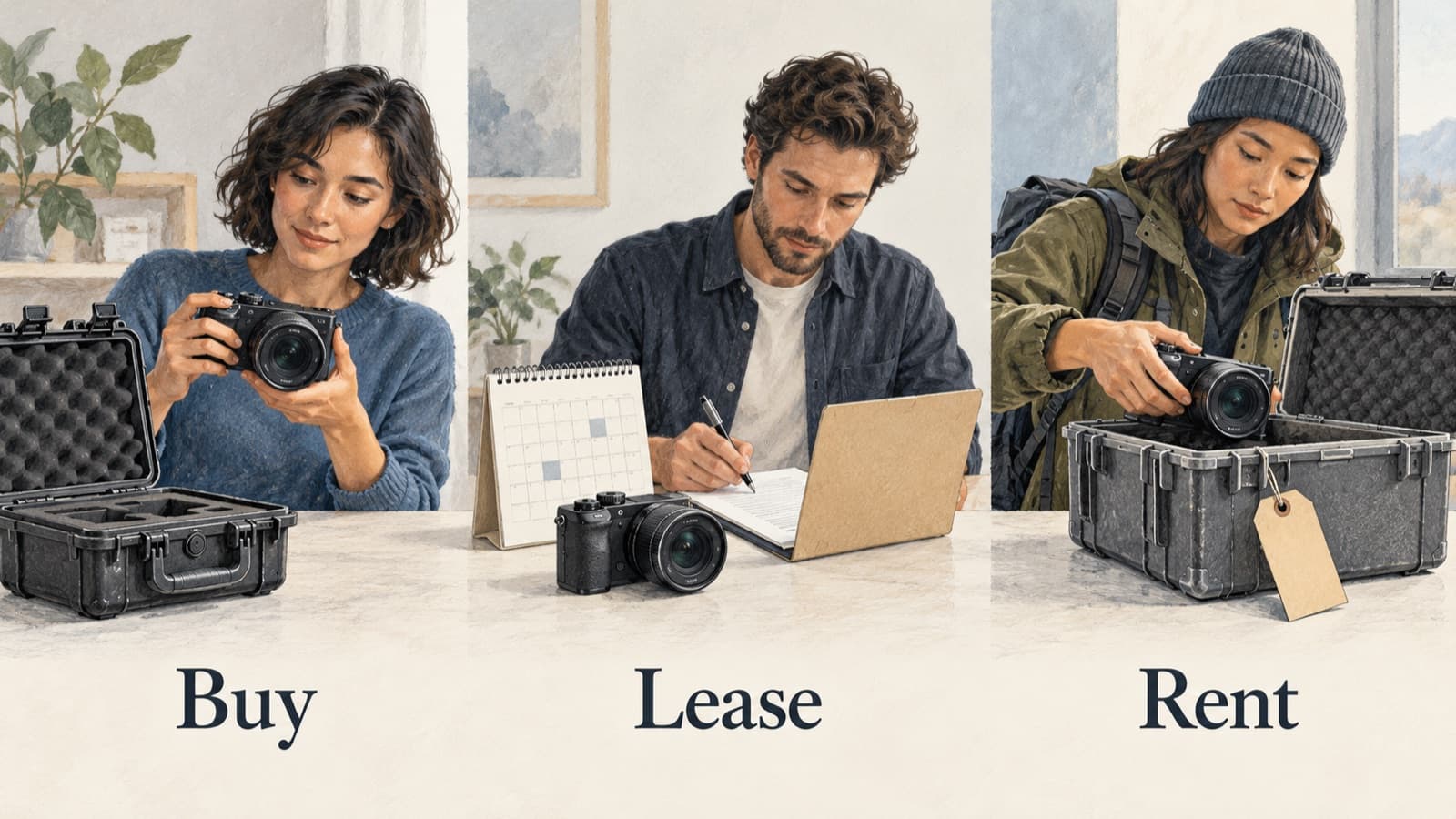
If you finance a purchase, do not add both the full purchase price and all principal repayments as separate costs. Build a consistent cash-flow comparison that accounts for financing charges and payment timing. Have your finance team choose the appropriate treatment for the decision being made.
Count what happens before the first session
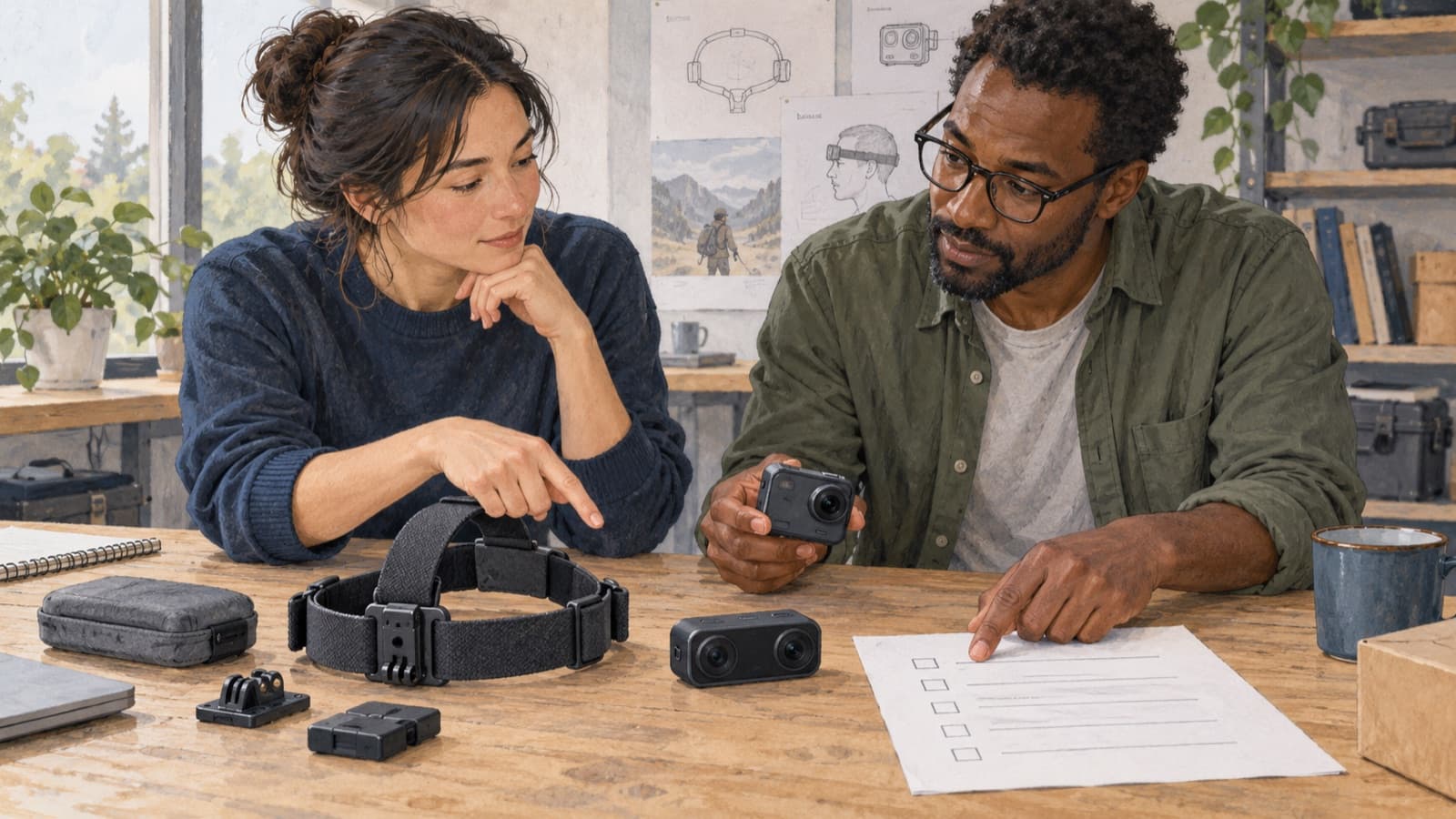
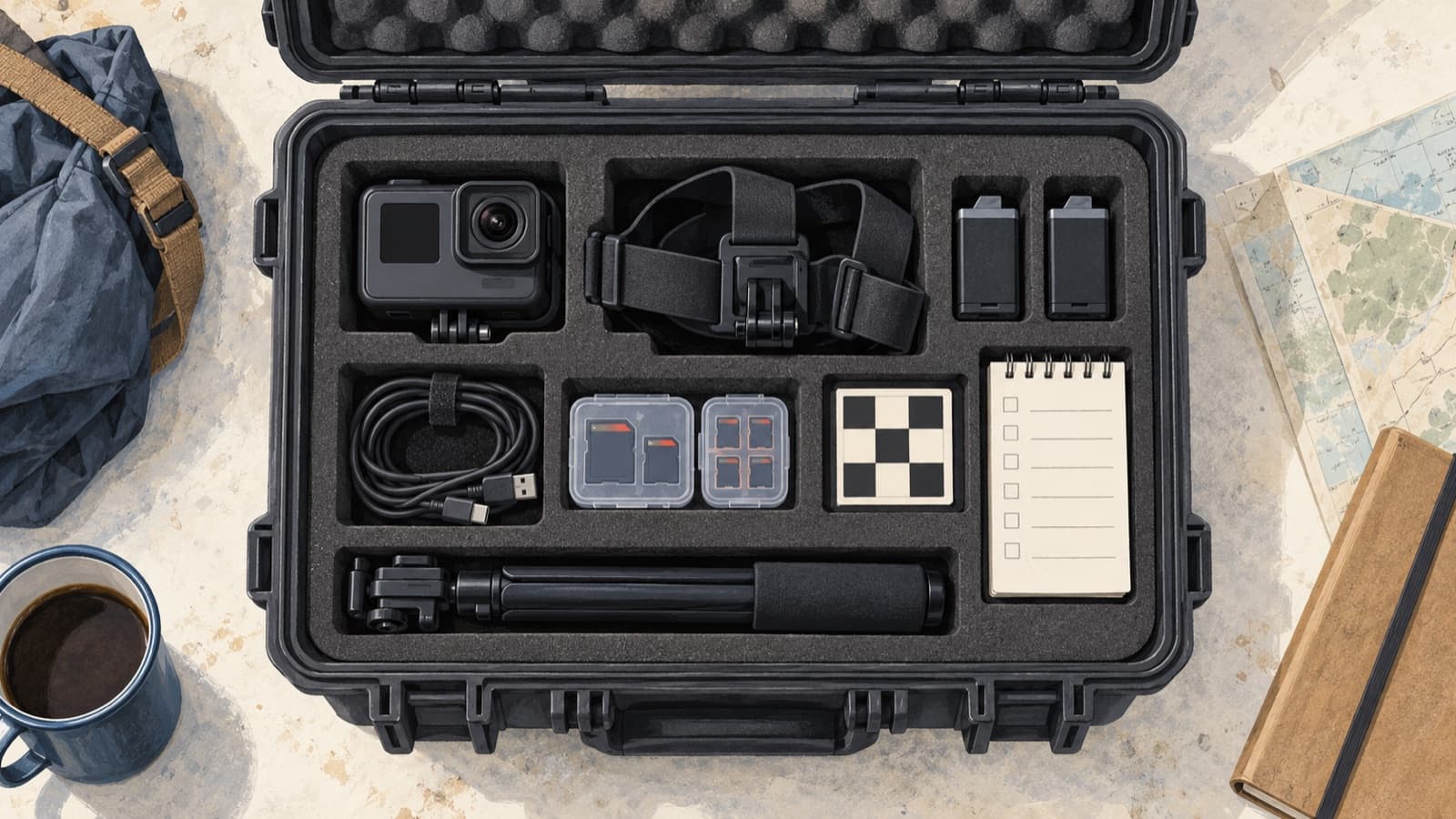
Acquisition includes more than the camera body. Add the complete kit: mounts, cables, storage, power, cases and the required software or licenses. Include delivery costs and any applicable charges supported by the supplier’s quote.
Deployment adds work. Someone configures the units, tests recordings, tracks serial numbers, trains operators and resolves the first support questions. Capture that time even if an existing team member does the work. It still uses capacity that could have gone elsewhere.
Measure the operating burden
During a pilot, track the time required to charge, prepare, transfer and check recordings. Note how much data the chosen settings produce and how long transfer takes on the connection available at the site.
For multi-camera systems, infrastructure is part of the budget. RealSense’s configuration guidance covers constraints including USB bandwidth and power. A camera price alone will not tell you whether the planned host and connection arrangement can support the required streams.
Also record repair frequency, damaged accessories and support time. Small recurring tasks are easy to miss because no single incident looks expensive.
Give rejected footage a place in the model
Recording hours and accepted hours are different denominators. A session may be rejected because of missing views, corrupted files or an agreed quality threshold. The cost of producing it still happened.
Here is a deliberately simplified example, using illustrative figures rather than supplier quotes. Suppose a pilot costs $12,000 in total capture spending and records 600 hours. If 480 hours pass the agreed checks, the cost is $25 per accepted hour. Dividing by recorded hours would show $20 and hide the effect of rejection.
Use a consistent boundary when making that calculation. A hardware-only cost per accepted hour should not be presented as the full cost of data collection or annotation. Keep downstream costs visible in separate lines when they are outside the comparison.
Price downtime without double counting it
If a device fails, what actually changes? You may pay for a replacement, keep staff waiting, repeat a session or miss a delivery window. Record the effects that apply rather than assigning an arbitrary penalty to every fault.
Be careful with opportunity cost. If idle staff time is already included in operating costs, adding the same wage cost again as downtime inflates the estimate. If missed revenue is uncertain, show it as a separate scenario rather than a guaranteed loss.
Spare capacity can reduce interruptions, but it also costs money. Compare a local spare, a shared spare pool and a supplier replacement arrangement against observed failure patterns and lead times.
Compare more than one future
Build a base case, a lower-utilization case and a more demanding case. Change the assumptions that matter: accepted hours, repair frequency, transfer time, contract duration and achievable resale proceeds.
The U.S. Small Business Administration’s business finance guidance supports a basic discipline here: distinguish recurring from nonrecurring costs and examine money coming in and going out. For capture fleets, connect that discipline to measured pilot results.
Use the comparison to make a practical decision. A kit may justify a higher purchase price through better accepted output or lower support effort, but the model should show that benefit. Equally, a simpler kit may win because it already meets the brief.
Budget for the work the equipment must do
The most useful number is not always cost per device. It may be cost per accepted hour, cost per usable episode or the cash required before the first buyer payment. Choose the measure that matches the decision and keep its assumptions visible.
Guardian gathers and annotates egocentric data. Discussing task coverage and acceptance criteria early gives your team a clearer basis for estimating the cost of the data it actually needs.