Off-the-Shelf vs. Custom Capture Rigs: When to Build, When to Buy
A practical decision starts with a measured gap.
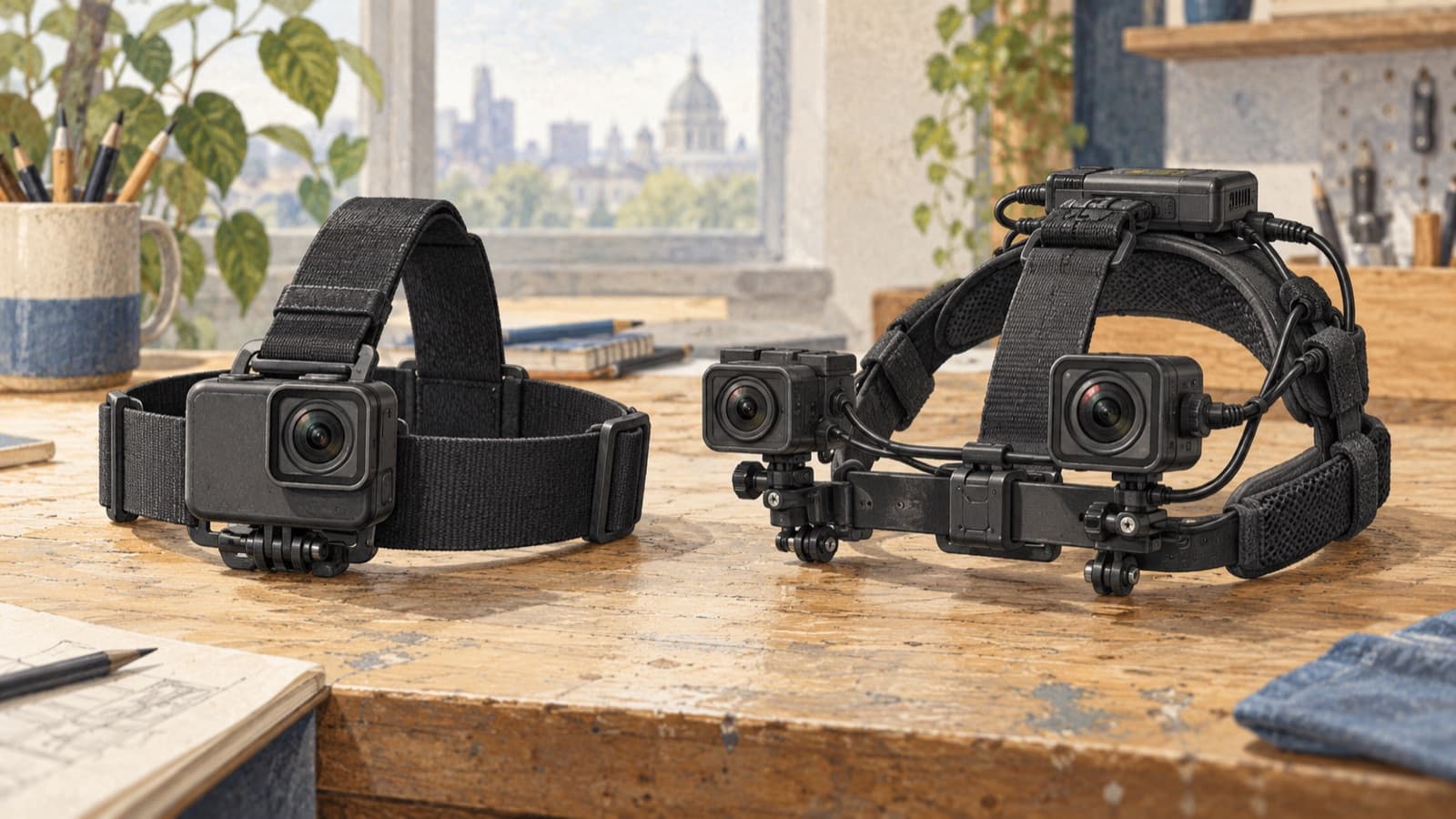
A ready-made camera can be a sensible place to start. So can a custom rig. The expensive mistake is choosing either one before you know what the dataset needs to contain.
For an egocentric capture programme, the build-or-buy decision reaches beyond image quality. It affects comfort, maintenance, synchronization, spare parts and the work needed to keep recordings consistent across a fleet. The aim is to choose a setup your team can operate and support, with evidence that it meets the data brief.
Define what “custom” actually means
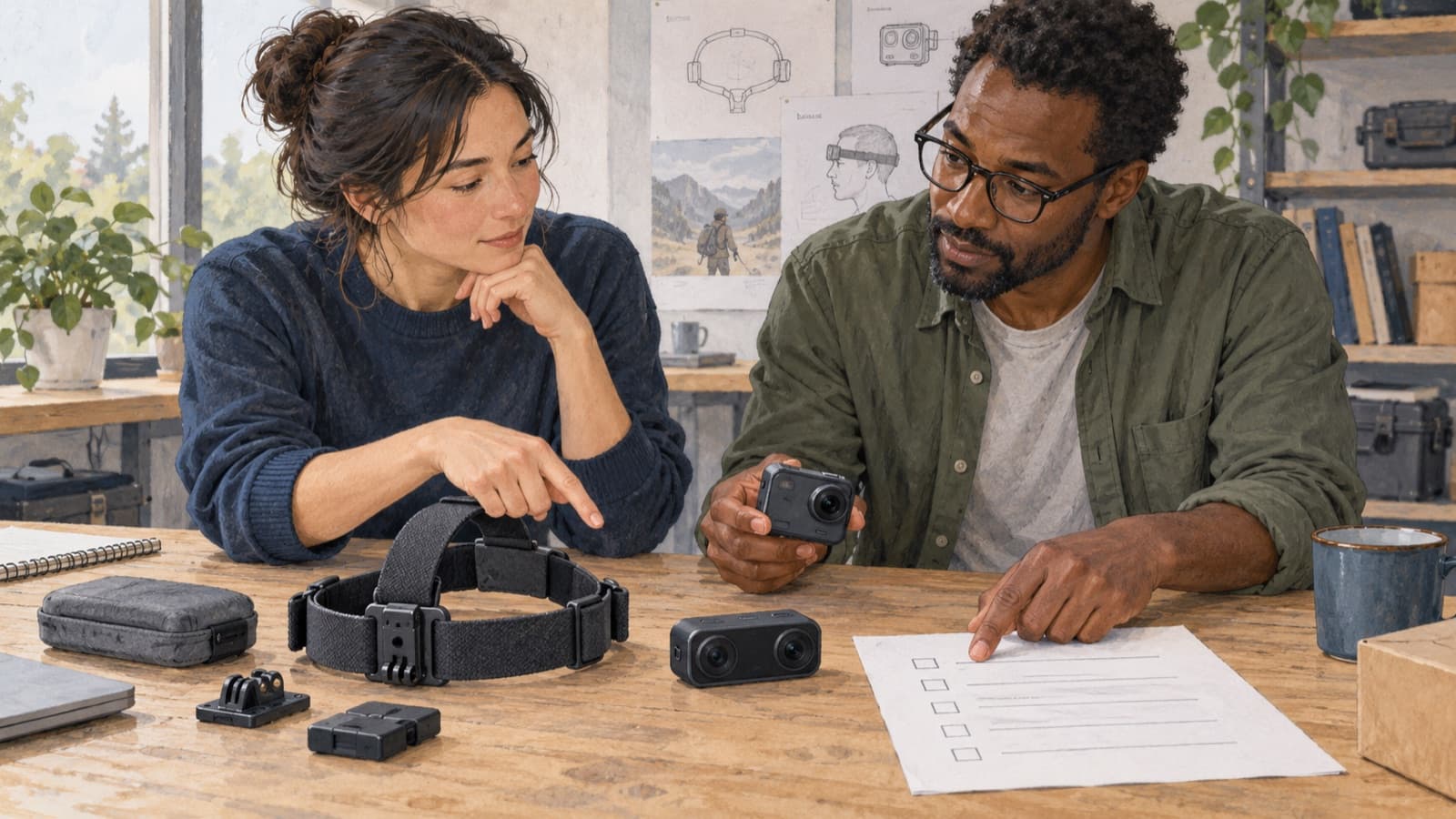
There is a wide space between buying a sealed product and designing electronics from scratch. You might use a commercial camera with a different mount, combine standard sensors in a purpose-built enclosure, or develop the entire recording system.
Treat those as different projects. A mounting adaptation may be manageable for a small pilot. A new sensor platform brings engineering, validation and ongoing support responsibilities. Put those responsibilities in the budget and assign an owner before work starts.
Give off-the-shelf equipment a fair test
Commercial hardware may already provide the signal you need, with established documentation and replacement channels. It deserves a pilot rather than an assumption that a specialist dataset must require specialist hardware.
Try representative actions using the proposed mount and recording settings. Review the files with the model and annotation teams. Can they see the hands, identify the relevant object and locate the important action boundaries? Can the recording run for the required duration and be exported into a usable format?
Write down the limitations you find. “The lower shelf is outside the view when the operator bends” is actionable. “We need something more advanced” is not yet a reason to build.
Build when you can name the gap
A custom setup becomes easier to justify when a pilot exposes a specific unmet requirement. Perhaps the project needs a fixed relationship between sensors, a particular view of two-handed work, or a combination of signals unavailable in an acceptable commercial package.
For each gap, ask whether a smaller change could solve it. A different mount, recording profile or commercially supported synchronized system may be enough. Hardware synchronization is not exclusive to custom equipment: RealSense documents it for supported D400 multi-camera configurations in its technical guide.
If custom work remains necessary, define a measurable acceptance test. Specify the required timing tolerance, visibility, recording duration and file outputs. Avoid approving a rig because its prototype produces one impressive clip.
Compare the work after the prototype
An engineering demonstration and an operational fleet are different milestones. The fleet needs repeatable assembly, configuration, checks and repair.
Before committing to a custom design, settle these questions:
- Who maintains the recording software and investigates failed sessions?
- How will each assembled unit be tested against the approved design?
- What happens if a sensor, connector or battery becomes unavailable?
- How will replacement parts affect calibration and compatibility?
- Can someone other than the original builder operate and service the rig?
The same questions apply to commercial equipment, though the supplier may own more of the work. Read the support terms rather than assuming they cover your deployment.
Test comfort alongside signal quality
A rig can meet a bench specification and still be frustrating to wear. Weight distribution, cables, heat, fit and interference with the task all deserve a real trial.
Watch what people do without prompting. Do they adjust the camera repeatedly? Does a cable catch when they turn? Does the mount move after a break? Those observations belong in the acceptance record because they affect what gets recorded.
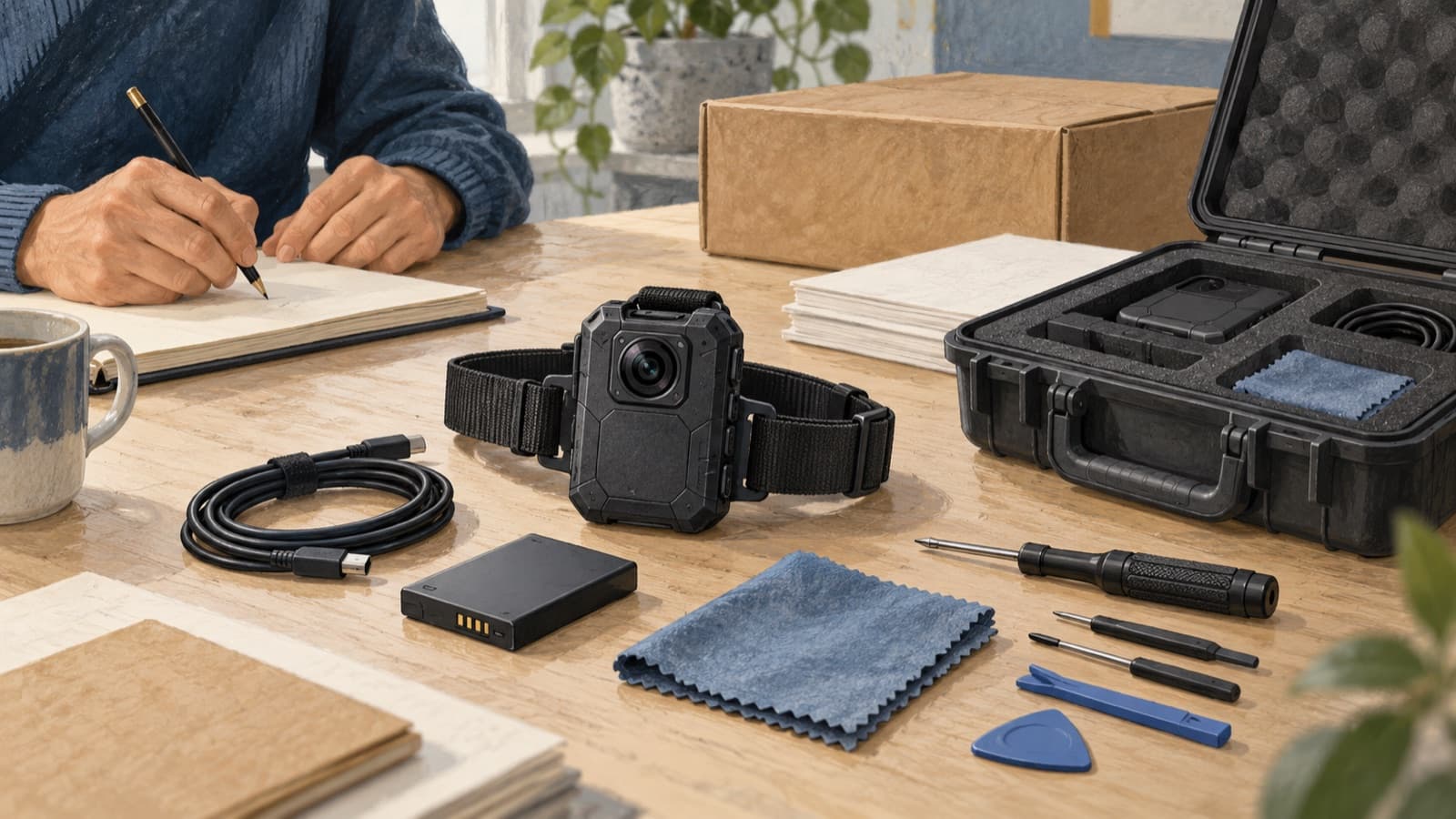
Where sensor geometry matters, decide how the team will check that it remains within tolerance. Inspect after repairs or physical changes, and recalibrate when the checks require it. The procedure should be documented and achievable at the actual collection site.
Plan changes instead of letting them happen accidentally
Keep an approved configuration for every kit: hardware revision, firmware, software, recording settings and relevant calibration. Test updates before broad rollout, including a plan for security fixes and rollback where supported. Permanently ignoring updates is not a maintenance strategy.
Also test the receiving pipeline after a change. A replacement component may preserve the picture while changing timestamps, metadata or export behaviour. The people using the data need to know what changed and which recordings are affected.
Use the pilot to make the decision
Consider three possible outcomes. A commercial kit passes the brief, so you use it. A limited adaptation fixes a demonstrated problem, so you validate that adaptation. Or no practical commercial configuration meets the requirement, so you fund a custom design with explicit engineering and support costs.
There is no need to make the choice permanent for every future project. A simple pilot rig and a later production system can differ, provided the team understands the effect on the dataset and validates the transition.
Guardian gathers and annotates egocentric data. Starting with the actions and labels your team needs helps keep hardware decisions tied to a useful result: recordings people can inspect, annotate and learn from.